The Rich Heritage of Nyonya Cuisine
Nyonya cuisine, also known as Peranakan cuisine, stands as a vibrant testament to the multicultural tapestry of Malaysia and Singapore. This culinary tradition combines Chinese, Malay, and Indonesian influences, resulting in a unique and flavorful culinary experience. The term "Nyonya" refers to the female descendants of Chinese immigrants who settled in the region, while "Baba" refers to their male counterparts. Together, they created a rich cultural heritage that is deeply embedded in their cooking practices, making Nyonya cuisine a fascinating subject of exploration for food enthusiasts and cultural historians alike. For those wanting to dive deeper into the world of Nyonya cuisine, nyonya4d offers a wealth of information and resources.
1. Understanding Nyonya Culture and Its Origins
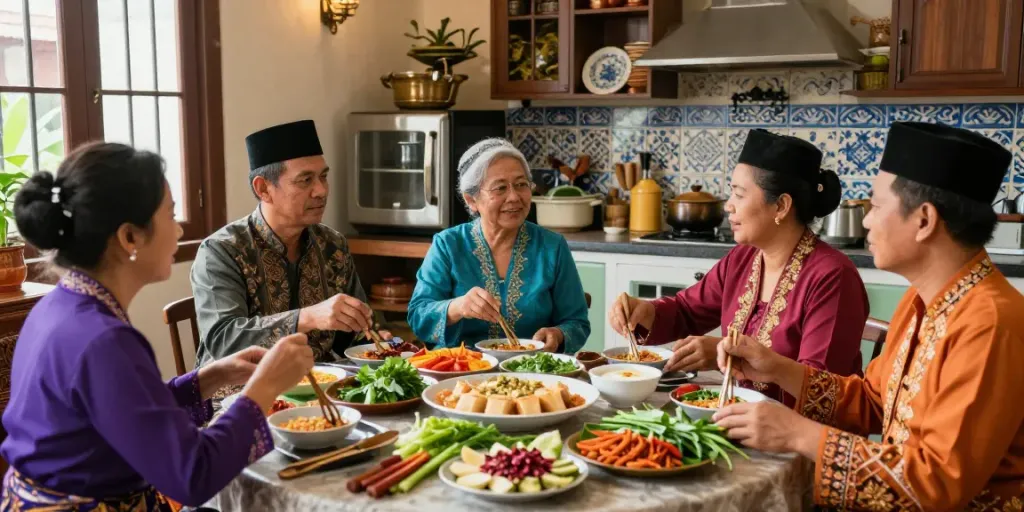
The origins of Nyonya culture can be traced back to the 15th century when Chinese traders began to marry local Malay women, thus forming a unique cultural synthesis. This blending of traditions is not just evident in cuisine but also in language, clothing, and customs. Nyonya women traditionally wore elaborate attire known as "baju kebaya," which is still celebrated today. Understanding this cultural backdrop is essential to appreciating the complexity and depth of Nyonya cuisine, which reflects the historical interactions between different ethnic groups in the region.
2. Key Ingredients in Nyonya Dishes: A Flavorful Exploration
At the heart of Nyonya cuisine lies a diverse array of ingredients that lend the dishes their distinctive flavors. Common staples include:
- Belacan: A fermented shrimp paste that adds depth and umami.
- Lemongrass: Provides a fresh, citrusy aroma that is essential in many dishes.
- Kaffir lime leaves: Their unique fragrance enhances soups and curries.
- Turmeric: A vibrant spice that imparts color and warmth to various recipes.
- Coconut milk: Adds creaminess and richness to curries and desserts.
This careful selection of ingredients not only showcases the essence of Nyonya cuisine but also highlights the balance of sweet, sour, salty, and spicy flavors that define it.
3. The Evolution of Nyonya 4D: Culinary Trends and Influences
As we delve into the evolution of Nyonya 4D, it is important to recognize the dynamics of culinary trends that influence this unique cuisine. Modern Nyonya chefs are increasingly experimenting with traditional recipes, fusing them with contemporary techniques and global flavors. This evolution reflects a broader trend within the culinary world, where chefs seek to innovate while respecting heritage. The rise of food tourism has also contributed to the global appreciation of Nyonya cuisine, prompting chefs to create dishes that cater to international palates while maintaining authenticity.
Exploring Popular Nyonya Dishes
Nyonya cuisine is celebrated for its variety of dishes that tantalize the taste buds. From hearty mains to delightful desserts, each dish tells a story of its origins and the cultural exchanges that shaped it.
1. Signature Dishes: From Laksa to Ayam Buah Keluak
Some signature Nyonya dishes have gained immense popularity both locally and internationally:
- Laksa: A spicy noodle soup that combines elements of Malay and Chinese cuisine, often featuring shrimp or chicken.
- Ayam Buah Keluak: A unique chicken dish cooked with black nuts that have a distinct earthy flavor.
- Rendang: A slow-cooked spicy meat dish that is synonymous with both Malaysian and Indonesian cuisine.
Each of these dishes not only showcases the culinary expertise of Nyonya chefs but also encapsulates the rich flavors and cultural stories behind them.
2. Desserts to Savor: The Art of Nyonya Kueh
No exploration of Nyonya cuisine would be complete without mentioning the delightful desserts, known as kueh. These colorful treats are made from glutinous rice, coconut, and pandan leaves, often filled with sweet pastes made from mung beans or coconut. Some popular varieties include:
- Kueh Lapis: A layered cake that is rich in texture and visually stunning.
- Angku Kueh: Turtle-shaped dumplings filled with sweet mung bean paste.
- Kueh Salat: A two-layered dessert with a glutinous rice base topped with coconut custard.
These desserts reflect the artistry of Nyonya cooking, as they often require intricate preparation and presentation.
3. Regional Variations: What's Unique About Different States?
Nyonya cuisine is not monolithic; it varies significantly between different regions in Malaysia and Singapore. For instance:
- Penang: Known for its bold flavors and street food culture, Penang Nyonya dishes often feature a heavy use of spices and herbs.
- Malacca: The birthplace of Nyonya cuisine, known for its rich and hearty flavors, often with a sweeter profile.
- Kuala Lumpur: The capital showcases a fusion of traditional and modern Nyonya dishes, catering to a diverse population.
These regional distinctions highlight the adaptability and diversity of Nyonya cuisine, which continues to evolve while honoring its roots.
Learning the Techniques Behind Nyonya Cooking
For those interested in recreating Nyonya dishes at home, understanding the techniques and methods is crucial. The complexity of flavors in Nyonya cooking is often a result of the meticulous preparation and cooking methods used.
1. Essential Cooking Methods for Authentic Flavors
Key cooking techniques in Nyonya cuisine include:
- Stir-frying: A quick method used to lock in flavors and maintain the freshness of ingredients.
- Slow-cooking: Employed for dishes like rendang, allowing spices to meld beautifully over time.
- Steaming: Often used for kueh and other dumplings to preserve moisture and texture.
Mastering these techniques is critical for achieving authentic Nyonya flavors and textures in home-cooked meals.
2. Tips for Balancing Flavors and Textures
Balancing the five basic tastes — sweet, sour, salty, bitter, and umami — is essential in Nyonya cooking. Here are some tips:
- Use fresh herbs and spices to elevate the dish's flavor profile.
- Incorporate sour elements like tamarind or lime juice to provide contrast to sweetness.
- Experiment with textures by combining crispy and soft ingredients in the same dish.
This balance ensures that each bite is a flavor explosion and a delight to the senses.
3. Traditional vs. Modern Approaches: The Best of Both Worlds
While traditional methods are treasured for their authenticity, modern approaches can enhance Nyonya cooking. For example, sous-vide techniques can be used for meats, ensuring perfect doneness while preserving moisture. Meanwhile, creative plating inspired by contemporary culinary trends can bring a new visual appeal to classic dishes. The integration of modern techniques with traditional recipes allows chefs to innovate while respecting cultural heritage.
Community and Tradition: The Heart of Nyonya Cooking
The essence of Nyonya cuisine lies not just in the dishes themselves but in the vibrant community and traditions that surround it.
1. Family Recipes and the Importance of Legacy
Many Nyonya families treasure recipes passed down through generations. These recipes often hold sentimental value, connecting individuals to their ancestry and cultural heritage. Cooking together as a family strengthens bonds and keeps traditions alive, while sharing techniques and stories further enriches the culinary experience.
2. How Festivals Celebrate Nyonya Cuisine
Food festivals dedicated to Nyonya cuisine promote cultural appreciation and heritage conservation. Events like the Penang Food Festival showcase Nyonya dishes and engage the community in cooking demonstrations, tastings, and culinary competitions. Such festivals provide an opportunity for younger generations to learn about their heritage while enjoying the vibrancy of Nyonya food culture.
3. The Role of Women in Preserving Culinary Traditions
Nyonya cuisine has historically been a domain of women, who have played a pivotal role in preserving and passing down culinary knowledge. This has fostered a sense of community among women, as they gather to share tips, recipes, and celebrate their culture. Today, initiatives that empower women in culinary arts contribute to the ongoing legacy of Nyonya cooking.
The Future of Nyonya Cuisine and Cultural Exchange
Nyonya cuisine is evolving in response to globalization, with trends reshaping its landscape while encouraging innovation and adaptability.
1. Trends Impacting Nyonya 4D and Culinary Innovation
The rise of social media has greatly impacted how Nyonya cuisine is perceived and shared. Chefs are using platforms to showcase their dishes, attracting a global audience, and inspiring culinary innovation. Food bloggers and influencers have become crucial in promoting traditional cooking methods and flavors to a younger audience, thus ensuring the cuisine remains relevant.
2. Globalization and Its Effects on Authenticity
Globalization brings both opportunities and challenges. As international influences permeate Nyonya cuisine, there is a risk of dilution of traditional practices. However, this also opens doors for creative fusions that can attract new fans, blending local flavors with global trends. The key will be finding a balance that honors tradition while embracing change.
3. Engaging Younger Generations: Strategies for Preservation
To engage younger generations, culinary schools are incorporating Nyonya cooking into their curriculums. Workshops and cooking classes foster interest and provide hands-on experience. Additionally, community initiatives that highlight the significance of heritage and welcome participation can help keep Nyonya cuisine alive in modern contexts.
What is Nyonya 4D?
Nyonya 4D refers to the evolving trends and innovations within Nyonya cuisine that embrace both traditional elements and modern culinary techniques. It reflects a broader movement of culinary exploration where chefs and home cooks alike seek to create dishes that resonate with contemporary tastes while remaining grounded in their cultural roots.
How Can I Learn Nyonya Cooking?
Learning Nyonya cooking can be a rewarding experience. Many resources are available, from online cooking classes to local workshops led by experienced chefs. Reading cookbooks that focus on authentic Nyonya recipes also provides valuable insights into techniques and ingredients.
What are Common Challenges in Preserving Nyonya Cuisine?
Preserving Nyonya cuisine faces challenges such as the dwindling number of traditional chefs and the influence of fast food culture. Balancing modernization while maintaining authenticity is crucial for the survival of this rich culinary heritage.
Are There Nyonya Food Festivals I Should Attend?
Yes, numerous food festivals celebrate Nyonya cuisine. Events like the Penang Food Festival and the Malacca Food Festival feature a range of Nyonya dishes and provide an opportunity to immerse yourself in the culture while enjoying local flavors.
How is Nyonya Cuisine Impacted by Global Trends?
Nyonya cuisine is influenced by global culinary trends, with chefs experimenting with flavors and presentation styles. This globalization opens avenues for culinary fusion and new interpretations, attracting diverse audiences while maintaining the essence of Nyonya's rich heritage.